
No products in the cart.
Why Eating the Exact Same Meal at Night Spikes Blood Sugar More Than in the Morning
Have you ever wondered why a hearty bowl of pasta at 7:00 PM leaves you feeling sluggish and fatigued, while eating the exact same meal at noon energizes you for the rest of the day? The answer lies deeply embedded in how our bodies process food differently depending on the time of day. For many individuals, experiencing unpredictable blood sugar spikes at night is a frustrating and confusing puzzle. Repeated blood sugar spikes at night can disrupt sleep, hinder recovery, and trigger long-term metabolic issues. However, modern endocrinology and nutritional science show that the complex connection between meal timing and blood sugar is heavily influenced by our internal biological clocks. By deeply understanding the mechanics of your circadian rhythm and metabolism, as well as the body’s natural shift towards insulin resistance in the evening, you can proactively take control of your metabolic health. Ultimately, stopping these blood sugar spikes at night means you can enjoy your meals without fearing unexpected blood sugar spikes at night.
The Complex Science of Meal Timing and Blood Sugar
When we talk about nutrition and dietary optimization, what you eat is only half the equation; focusing on meal timing and blood sugar is equally critical to overall health. The fundamental relationship between meal timing and blood sugar dictates how efficiently your cellular systems absorb and utilize glucose. During the first half of the day, your body is biologically primed to use food as fuel to power your activities. However, as the sun goes down, programmed changes in your circadian rhythm and metabolism drastically alter this physiological process. Because your circadian rhythm and metabolism prepare your body for rest rather than digestion, your system becomes far more susceptible to severe blood sugar spikes at night. Avoiding late meals is the primary way to halt these blood sugar spikes at night.
How Circadian Rhythm and Metabolism Influence Digestion
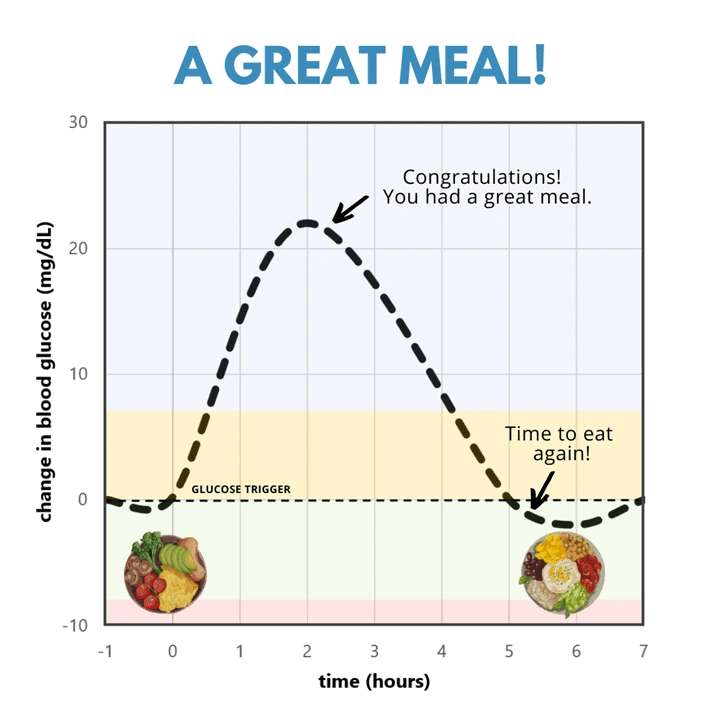
Our bodies operate on a strict, 24-hour internal clock that dictates almost every biological function. This ongoing circadian rhythm and metabolism synchronization is orchestrated by a central master clock located in the brain, known as the suprachiasmatic nucleus (SCN). The SCN actively prepares your peripheral tissues for active daytime feeding and restful nighttime fasting, effectively regulating your circadian rhythm and metabolism. When you ignore this natural biological cycle, profound meal timing and blood sugar dysregulation will quickly occur. Restoring proper meal timing and blood sugar balance is paramount. Because your circadian rhythm and metabolism naturally slow down your digestive capabilities later in the day, consuming a heavy, carbohydrate-rich dinner almost guarantees you will experience severe blood sugar spikes at night. Your pancreas simply is not prepared for a massive glucose load after dark, inevitably leading to prolonged blood sugar spikes at night.
The Biological Reality of Insulin Resistance in the Evening
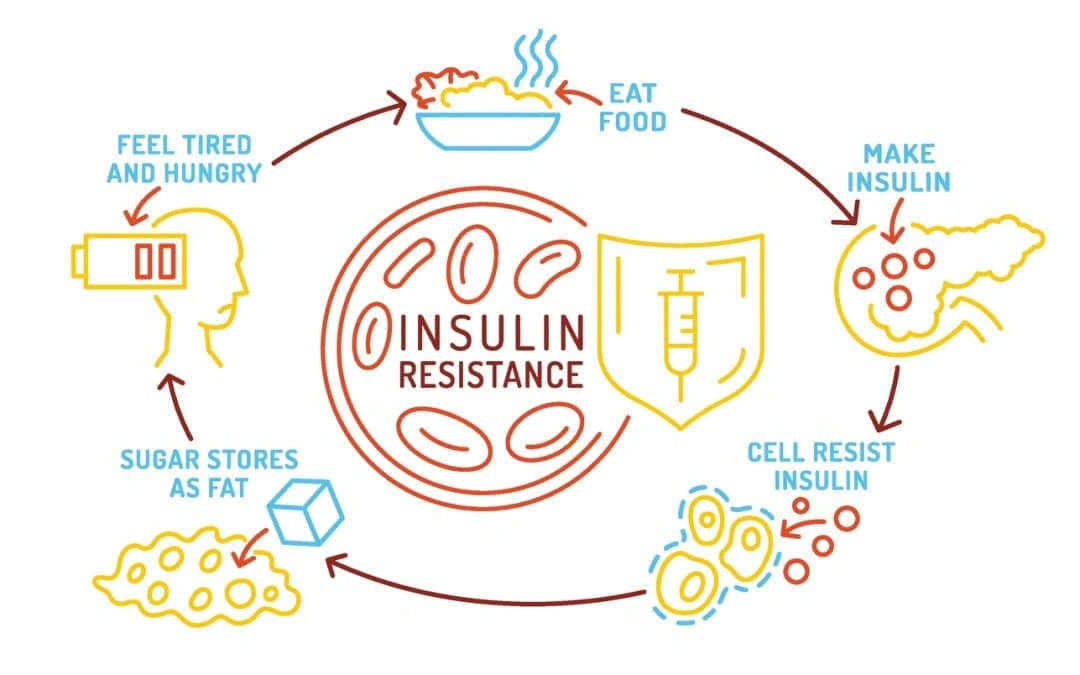
To fully comprehend the exact mechanics behind blood sugar spikes at night, we must closely examine how the hormone insulin functions over a 24-hour period. Preventing blood sugar spikes at night requires understanding that insulin acts as the biological key responsible for unlocking cells so they can absorb and process glucose. Interestingly, our cellular sensitivity to insulin is not a constant variable. Humans naturally experience a temporary but significant state of insulin resistance in the evening. Acknowledging this daily insulin resistance in the evening is crucial for nutritional planning.
This fascinating evolutionary adaptation of insulin resistance in the evening originally ensured our ancient ancestors conserved vital energy reserves while they slept. But in modern times, this physiological shift toward insulin resistance in the evening has become a primary culprit behind intense blood sugar spikes at night. Even if your pancreas successfully produces the exact same amount of insulin as it does at breakfast, the inherent insulin resistance in the evening means glucose remains trapped in your bloodstream for much longer. Consequently, preventing blood sugar spikes at night relies on optimizing your meal timing and blood sugar responses. Mastering meal timing and blood sugar scheduling becomes an absolutely essential strategy to successfully combat this daily metabolic shift.
| Metabolic Feature | Morning (8:00 AM) | Evening (8:00 PM) |
|---|---|---|
| Insulin Sensitivity | High (Cells readily absorb incoming glucose) | Low (Defined by severe insulin resistance in the evening) |
| Melatonin Levels | Low (Digestion operates optimally) | High (Actively inhibits pancreatic insulin secretion) |
| Impact of Heavy Meals | Processed effectively as daytime energy | Rapidly triggers intense blood sugar spikes at night |
| Optimal Strategy | Appropriate for larger, carbohydrate-rich meals | Requires strict meal timing and blood sugar monitoring |
| Biological Driver | Active circadian rhythm and metabolism | Resting circadian rhythm and metabolism phase |
Melatonin’s Hidden Role in Blood Sugar Spikes at Night
Another crucial factor linking your circadian rhythm and metabolism to glucose tolerance is the sleep hormone melatonin. As your environment gets dark and your circadian rhythm and metabolism transition, your body produces large amounts of melatonin to help you prepare for sleep. Scientific studies now reveal that melatonin directly binds to receptors on the pancreas, temporarily suppressing insulin secretion. This biological suppression, when directly combined with the naturally occurring insulin resistance in the evening, creates the perfect physiological storm for blood sugar spikes at night. The impact of insulin resistance in the evening cannot be overstated here. Therefore, mastering your personal meal timing and blood sugar control requires eating your final meal well before your melatonin levels begin to rise, ensuring optimal meal timing and blood sugar balance.
Actionable Ways to Prevent Blood Sugar Spikes at Night
To optimally align your daily eating habits with your circadian rhythm and metabolism, consider implementing these highly effective, evidence-based lifestyle strategies to minimize blood sugar spikes at night:
- Shift Your Carbohydrates: Because of the unavoidable reality of insulin resistance in the evening, you should consume your heaviest, carb-dense meals much earlier in the day. Accounting for insulin resistance in the evening ensures your glucose clears rapidly.
- Prioritize Early Dinners: Proper meal timing and blood sugar management means committing to stopping all food intake at least three hours before going to bed. Excellent meal timing and blood sugar protocols reliably avoid blood sugar spikes at night, preventing erratic blood sugar spikes at night while you sleep.
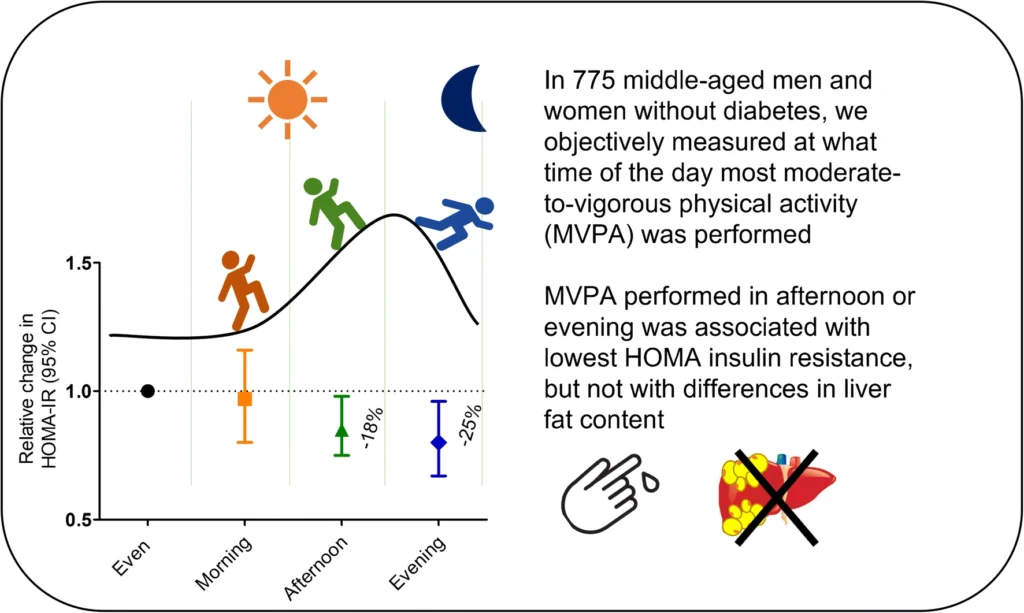
- Take a Post-Dinner Walk: Engaging in light physical activity immediately helps counteract insulin resistance in the evening by strongly stimulating your muscles to absorb excess glucose. Fighting insulin resistance in the evening through movement is highly effective.
- Maintain Schedule Consistency: Keep your daily feeding schedule as regular as possible to support a highly functional circadian rhythm and metabolism. A stable circadian rhythm and metabolism reinforces better insulin utilization over time.
- Eliminate Late-Night Snacking: Eating large amounts of food right before bed completely ignores your body’s natural fasting phase, heavily disrupting your meal timing and blood sugar balance. Poor meal timing and blood sugar choices directly cause intense blood sugar spikes at night, perpetuating future blood sugar spikes at night.
Frequently Asked Questions (FAQ)
Why do I experience blood sugar spikes at night without eating?
You may experience unexpected blood sugar spikes at night due to the liver naturally releasing stored glucose into your bloodstream. This phenomenon happens if your body mistakenly thinks it needs emergency energy, a problem frequently exacerbated by a chronically misaligned circadian rhythm and metabolism. Poor circadian rhythm and metabolism synchronization or disrupted meal timing and blood sugar control established earlier in the day often leads to these blood sugar spikes at night.
How does poor sleep impact insulin resistance in the evening?
A chronic lack of restorative sleep severely disrupts your baseline circadian rhythm and metabolism. This disruption to your circadian rhythm and metabolism can drastically worsen natural insulin resistance in the evening. This ongoing metabolic problem, driven by insulin resistance in the evening, makes it much harder for your body to successfully process carbohydrates, consistently leading to severe, damaging blood sugar spikes at night. Ensuring restful sleep minimizes blood sugar spikes at night.
Can adjusting my meal timing and blood sugar response help with weight loss?
Yes, absolutely. By intentionally aligning your daily diet with the natural phases of your circadian rhythm and metabolism, you can significantly improve overall insulin sensitivity. Fixing your circadian rhythm and metabolism and proactively avoiding blood sugar spikes at night are essential. Skillfully managing insulin resistance in the evening and preventing blood sugar spikes at night are critical, foundational steps in reducing fat storage and optimizing your long-term meal timing and blood sugar. Consistent meal timing and blood sugar practices build lasting health.
How can I fix insulin resistance in the evening?
While experiencing some degree of insulin resistance in the evening is a perfectly normal biological function, you can definitely mitigate its negative metabolic effects. Addressing insulin resistance in the evening means focusing heavily on smart, consistent meal timing and blood sugar strategies. Perfecting your meal timing and blood sugar routines, choosing to eat much lighter dinners, and supporting your circadian rhythm and metabolism remains the single best defense against dangerous blood sugar spikes at night. Stopping blood sugar spikes at night is highly achievable.
Conclusion
Understanding exactly why the exact same meal affects you so differently throughout the day requires acknowledging the powerful, unbreakable connection between your diet and your circadian rhythm and metabolism. Respecting your circadian rhythm and metabolism means openly recognizing that your body naturally enters a predictable state of insulin resistance in the evening. By planning for this insulin resistance in the evening, you can begin to make far smarter, science-backed dietary choices focused on optimizing your meal timing and blood sugar. Ultimately, mastering your meal timing and blood sugar responses will not only help you successfully avoid harmful blood sugar spikes at night, but it will also prevent future blood sugar spikes at night and promote robust, long-term metabolic health.