
No products in the cart.
The Ultimate Guide to Women’s Metabolic Longevity and Hormone Health
For decades, the conversation around women’s health has primarily focused on reproductive milestones. However, functional medicine and modern endocrinology are now shining a spotlight on what happens beyond these years. Understanding your physiological framework is not just about symptom management; it is about taking proactive steps to ensure vitality, cognitive sharpness, and physical strength well into your later decades. The female body operates on a precise biological clock. At the heart of this intricate system is a physiological process that dictates how efficiently your cells utilize glucose for energy. As women age, the natural decline in reproductive hormones shifts this balance, bringing the topic of menopause and blood sugar to the forefront of health discussions. In this comprehensive guide, we will explore the profound impact of hormonal changes and metabolism and provide actionable strategies to protect your long-term cellular health.
The Core Connection Between Hormones and Glucose
To master your health journey, you must first understand the fundamental role of estrogen. This hormone is a systems-level signaling molecule that regulates bioenergetics across the body and brain. Within the brain and body, it regulates glucose transport, aerobic glycolysis, and mitochondrial function to generate ATP. Specifically, estrogen-driven insulin sensitivity refers to how reproductive hormones protect against excess adiposity and help cells remain highly responsive to nutrient uptake. When this mechanism is functioning optimally, your body naturally prevents rapid glucose spikes and maintains stable energy levels throughout the day.
However, as estrogen fluctuates, so does your body’s ability to process carbohydrates. Maintaining this balance is critical. Without it, you are more susceptible to cellular resistance, making weight management increasingly challenging.
The Shift During Midlife
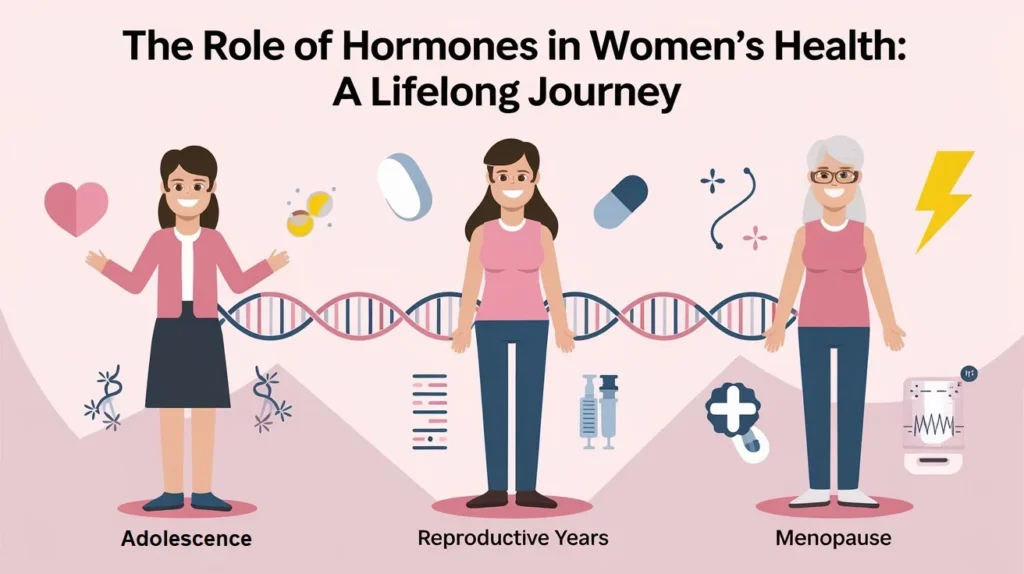
Throughout a woman’s reproductive years, stable hormones act as a protective shield against metabolic syndrome. But as you transition into perimenopause, erratic levels disrupt this delicate equilibrium. This complex dance fundamentally alters how fat is stored and how energy is metabolized. During this phase, visceral fat—which accumulates around the abdominal organs—becomes more prominent. Unlike subcutaneous fat, visceral adipose tissue is highly active metabolically in a negative way, secreting inflammatory cytokines that further inhibit the action of insulin. This creates a cyclical challenge where hormonal shifts promote abdominal weight gain, which in turn worsens glucose metabolism. Adapting your lifestyle to support your body during this transition is essential for mitigating weight gain and persistent fatigue.
The Critical Link Between Midlife Transitions and Blood Glucose

The transition into midlife is often where women’s metabolic longevity faces its toughest test. As estrogen levels decline, the cellular protection previously offered by estrogen-driven insulin sensitivity diminishes. This shift causes a cascade of effects. When your cells become less responsive, the pancreas must produce more insulin to manage glucose, subtly increasing the risk of Type 2 diabetes over time.
For those navigating these shifts, this explains why dietary habits that worked in your twenties no longer yield the same results. Ultimately, fostering resilience means recognizing that your body’s response to food has fundamentally changed.
Visualizing the Shift: A Metabolic Comparison
To better illustrate how these internal mechanisms influence the body, let’s look at a comparative breakdown of pre- and post-transitional states.
| Metabolic Factor | Pre-Menopause | Post-Menopause |
|---|---|---|
| Primary Driver | High cellular responsiveness to insulin. | Lower estrogen reduces cellular insulin responsiveness. |
| Fat Distribution | Gluteo-femoral (hips and thighs). | Visceral (abdominal) due to resistance. |
| Glucose Control | Highly efficient, stable energy levels. | Prone to fluctuations, highlighting the link between menopause and blood sugar. |
Strategies to Optimize Your Cellular Health
Preserving estrogen-driven insulin sensitivity is entirely possible with targeted, evidence-based lifestyle interventions.
- Prioritize Protein and Fiber: A diet rich in plant-based proteins and fiber slows glucose absorption, taking the pressure off your pancreas.
- Strength Training: Building lean muscle mass is the ultimate hack for women’s metabolic longevity. Muscle tissue is highly active and absorbs glucose efficiently without relying heavily on insulin.
- Manage Stress: High cortisol exacerbates cellular resistance, directly interfering with your natural hormonal balance.
By adopting these habits, you can take control of your well-being and navigate the complexities of hormonal changes and metabolism with absolute confidence.
Frequently Asked Questions (FAQ)
Does low estrogen cause insulin resistance?
Yes, the decline of reproductive hormones reduces cellular responsiveness to insulin. This loss of efficiency means the body requires more insulin to process glucose, often leading to resistance if left unmanaged.
How do midlife transitions affect blood glucose levels?
The relationship is largely driven by dropping hormone levels. Without the protective effects of estrogen, women are more likely to experience erratic glucose spikes and crashes, making metabolic health a primary focus.
How can I improve my body’s response to insulin?
You can combat age-related shifts by engaging in regular resistance training, eating a low-glycemic diet, and optimizing sleep. These practices naturally mimic and support the metabolic environment previously maintained by reproductive hormones.
Can hormone replacement therapy (HRT) help with blood sugar control?
Research indicates that HRT can help restore some cellular responsiveness to insulin, aiding in glycemic control. Furthermore, it has been shown to support healthy fat distribution, encouraging subcutaneous fat storage rather than visceral fat. However, the decision should be personalized in consultation with a medical professional, focusing on overall cardiovascular health and individual risk factors.
Conclusion
The intricate relationship between your hormones and glucose dictates how you age. By proactively addressing these shifts, you can protect your cellular health and build a resilient, energized future.