
No products in the cart.

The Impact of Shrinking DNA Caps on Metabolism: An Extended Guide
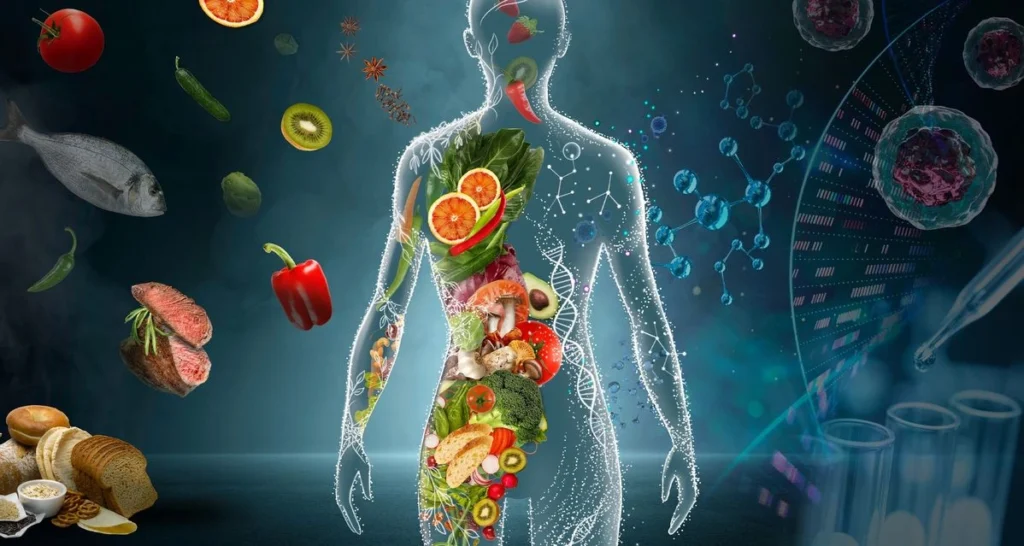
If you have researched how your body ages at the microscopic level, you have encountered
shrinking DNA caps, known as telomeres. As scientists dive deeper into human longevity, a
frequently asked question is, “How does telomere shortening affect my body?” While most
individuals associate this biological process strictly with getting older, its profound impact
on your daily energy is completely overlooked. Today, we thoroughly explore the biological
link between shrinking DNA caps and your energy processing systems. Many people are
shocked to learn that telomere shortening heavily dictates how energetic they feel every
day.
What Are They and Why Do They Shrink?
To truly understand this connection, you must first investigate why shrinking DNA caps
occur. At the end of your chromosomes sit protective structures. Think of these like plastic
tips on shoelaces that prevent fraying. Every time a cell divides to repair tissue, a tiny
portion is lost. Over time, this natural telomere shortening leaves the cell fragile. When
these tips become critically small, the cell cannot divide safely and enters a dormant state
clinically known as cellular senescence. This dormant phase of cellular senescence
disrupts everything in your body. Furthermore, scientists know this persistent state of
cellular senescence forces your systems to work incredibly hard to survive.
How Does This Affect Your Daily Life?
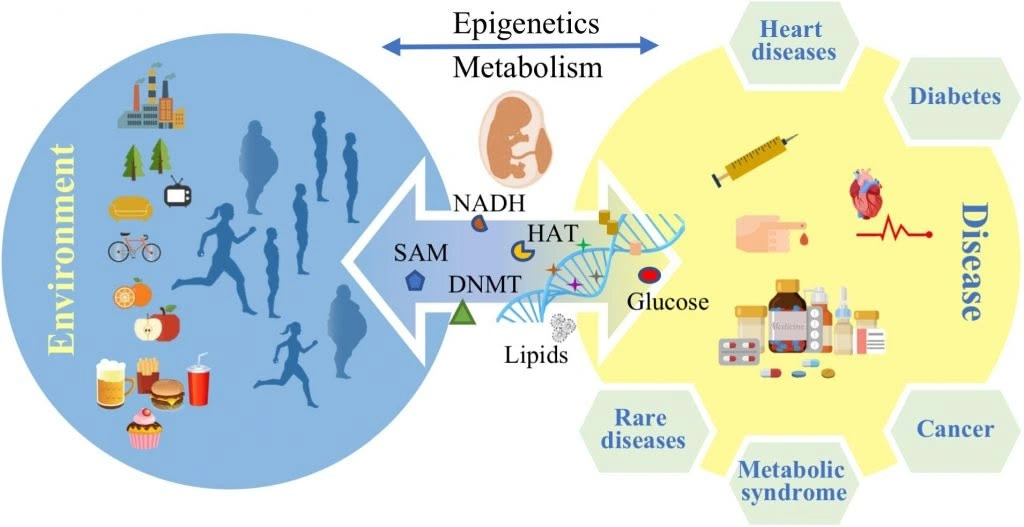
When tissues accumulate too many cells undergoing cellular senescence, they secrete
harmful inflammatory chemicals into your bloodstream. This systemic, low-grade
inflammation is incredibly taxing on your metabolic health. It forcefully requires your
body to divert vital energy away from normal digestion, choosing to manage internal stress
instead. Protecting your metabolic health begins with recognizing this issue. Improving
your metabolic health is the ultimate key to longevity.
Many frequently search:
“Why does my energy drop as I age?” The answer is tied to this
process. A robust, functional aging metabolism requires efficient cellular division. When
telomere shortening aggressively accelerates due to chronic stress or processed diets,
your aging metabolism significantly slows down. An optimized aging metabolism is
crucial for maintaining daily vitality. This biological shift makes maintaining a healthy body
composition difficult, fundamentally compromising your total metabolic health. An
inefficient aging metabolism drastically ruins your quality of life.
Can You Slow Down The Process?
Can we reverse the damage of shrinking DNA caps? This is the most common follow-up
question online. The reality is that while you cannot entirely stop the biological clock, you
can definitely slow down the aggressive rate of shrinking DNA caps. By reducing oxidative
stress, you inherently minimize telomere shortening. If you ignore these lifestyle factors,
you essentially invite rampant cellular senescence into your tissues, which rapidly
degrades your overall metabolic health.
Here are the top actionable steps:
Eat Antioxidant-Rich Foods: Consuming diets exceptionally high in vitamins and
polyphenols protects against severe oxidative stress, which is a major driver of rapid
telomere shortening.
Manage Chronic Stress: Consistently high cortisol levels directly damage chromosomes,
rapidly accelerating dangerous cellular senescence throughout your entire body.
Engage in Resistance Training: Consistent physical exercise builds lean muscle mass and
greatly optimizes your aging metabolism, actively supporting your metabolic health.
The Biological Verdict
Fully understanding the profound impact of shrinking DNA caps empowers you to make
much smarter daily lifestyle choices. By strictly prioritizing quality sleep, effective stress
management, and proper nutrition, you can successfully maintain your energy. This highly
comprehensive, proactive approach ensures that your aging metabolism remains highly
efficient and functional for decades to come.