No products in the cart.
The Hidden Health Risks of High-Protein Diets
Are high-protein diets safe for long-term weight loss? Countless individuals adopt these
popular eating plans to accelerate muscle growth, but many overlook a critical biological
component. There is a very real metabolic danger to consuming excessive animal products
while lacking fiber. This combination quickly leads to severe digestive issues and
fundamentally alters your delicate gut microbiome. This guide explores the science behind
why aggressively following high-protein diets while completely lacking fiber is a recipe
for internal disaster, and how you can protect your body from this hidden metabolic
danger. By understanding these mechanisms, individuals can make smarter, well-informed
dietary choices that promote vitality rather than unintentionally causing harm.
People Also Ask: Why Does Protein Cause Stomach Problems?
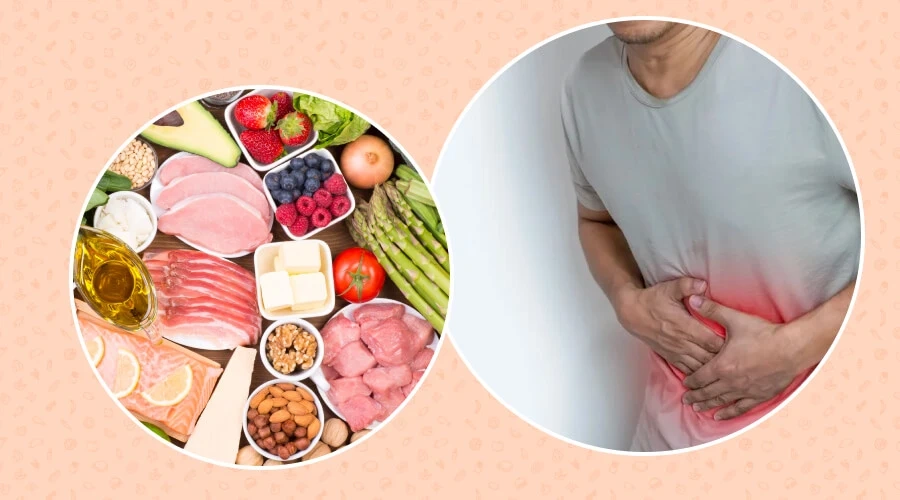
One of the most frequently asked questions on search engines is how to avoid painful
digestive issues on low-carbohydrate plans. When you consume large amounts of dense
meat, your stomach requires significant energy to break the food down. Without adequate
plant roughage to sweep the intestines, gastrointestinal transit time slows down drastically.
This sluggish delay inevitably creates massive digestive issues like severe constipation,
uncomfortable cramping, and chronic bloating. If left unaddressed, these symptoms can
dramatically lower a person’s overall quality of life and create severe daily discomfort.
The primary metabolic danger here is that prolonged intestinal stagnation allows protein
byproducts to putrefy in your colon. This toxic internal environment is the direct result of
high-protein diets chronically lacking fiber. To effectively prevent these agonizing
digestive issues from ruining your daily life, you must ensure your digestive tract remains
active through the consumption of complex plant carbohydrates. Vegetables play a massive,
irreplaceable role in human wellness.
How Do Meat-Heavy Plans Affect the Intestinal Tract?
Modern clinical science is clear regarding how these restrictive regimens negatively impact
your gut microbiome. Your large intestine contains trillions of beneficial bacteria that
desperately need fermented plant roughage to survive. When you strictly follow high-
protein diets that are biologically lacking fiber, you effectively starve these protective
bacteria.
Consequently, your gut microbiome shifts in a dangerous direction. Pathogenic bacteria
begin to thrive instead, which immediately increases systemic internal inflammation. This
negative shift in the gut microbiome creates a highly concerning metabolic danger for
your longevity. Harmful bacterial fermentation of undigested amino acids produces
inflammatory toxins that cross the intestinal wall. Protecting the health of your gut
microbiome should be your highest priority to avoid chronic illnesses.
Can You Maintain Weight Loss Safely?
While it is true that elevated protein intake temporarily boosts resting energy expenditure
and increases meal satiety, attempting to sustain this lifestyle while continuously lacking
fiber nullifies the long-term metabolic benefits. A robust, healthy gut microbiome
produces essential short-chain fatty acids, such as butyrate, which naturally regulate blood
insulin levels and combat obesity. These natural compounds are crucial for maintaining
systemic harmony.
When you experience chronic digestive issues from a poorly balanced plate, your body
enters a prolonged state of physical stress, abruptly halting natural weight loss progress. A
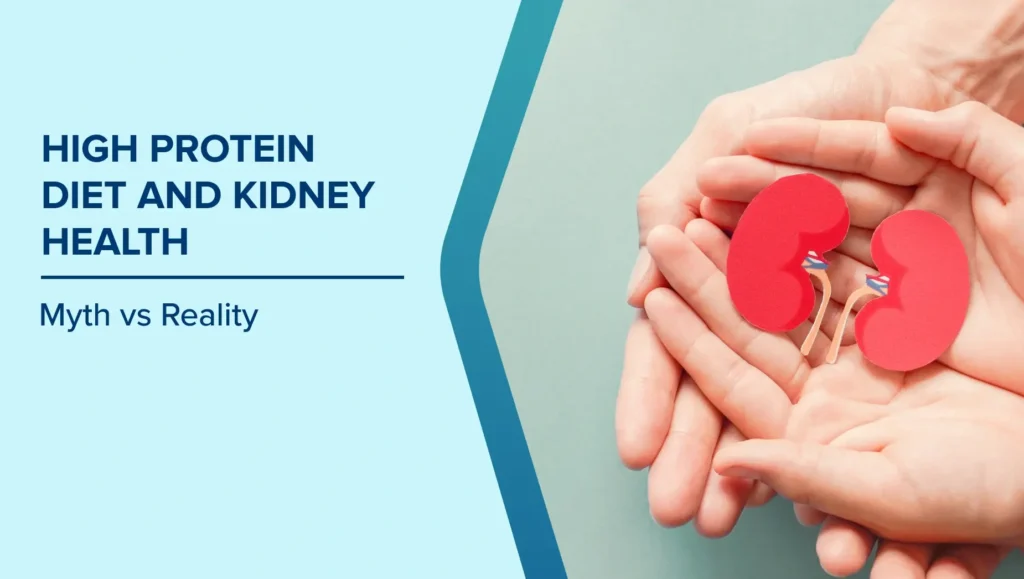
significant metabolic danger arises when your overloaded kidneys and sluggish intestines
struggle to eliminate protein waste efficiently. Therefore, high-protein diets are only truly
effective and medically safe when paired with an abundance of fibrous green vegetables.
The Verdict on Dietary Balance
Do not fall victim to the dangerous trap of overly restrictive eating patterns. You can
achieve your fitness goals without suffering through agonizing digestive issues. The
ultimate metabolic danger lies in dietary extremes. By consciously balancing your daily
macronutrients, you deeply nourish your internal ecosystem. Consuming high-protein
diets is perfectly fine, provided you are never lacking fiber.