
No products in the cart.
Ghee vs. Vegetable Oils: The Real Science of Cardiovascular Risk
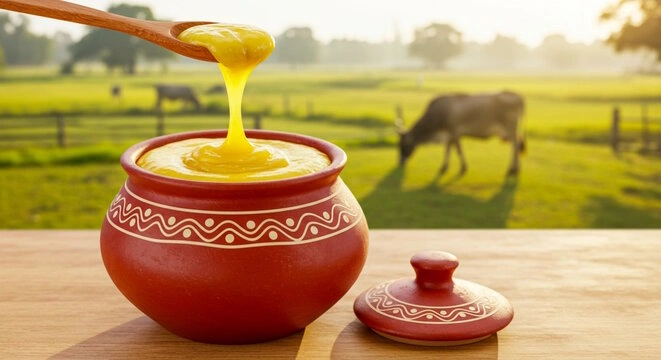
For decades, dietary guidelines warned against saturated fats, grouping all of them under a single, harmful umbrella. This oversimplified approach led to widespread confusion and an unjust demonization of healthy traditional fats. One of the most misunderstood superfoods in this category is pure, grass-fed A2 ghee. If you are concerned about your cardiovascular risk, it is time to look at the actual science behind lipid profiles and lipid metabolism. By understanding the molecular truth about A2 ghee, we can finally separate fact from fiction and discover why healthy traditional fats do not raise your cardiovascular risk.
The Misunderstood Science of Healthy Traditional Fats
The fear surrounding saturated fats originated from outdated observational studies that failed to distinguish between heavily processed trans fats and healthy traditional fats. Modern nutritional science reveals a completely different story. When evaluating cardiovascular risk, the molecular structure of the fat you consume is vastly more important than the simple categorization of “saturated” versus “unsaturated.”
Unlike modern, highly refined seed oils that trigger inflammation, healthy traditional fats like A2 ghee are packed with structurally stable fatty acids. Because A2 ghee does not easily oxidize under high heat, it prevents the formation of free radicals, which are a primary driver of cardiovascular risk. Therefore, incorporating healthy traditional fats into your diet provides a safe, highly stable source of energy without increasing your cardiovascular risk.
Why Refined Oils Increase Cardiovascular Risk

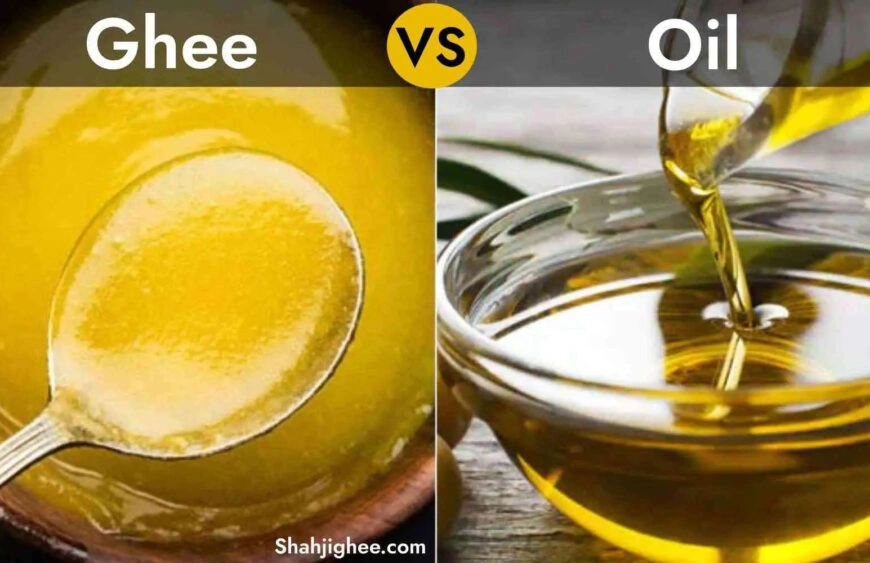
To understand the benefits of healthy traditional fats, we must look at the alternatives. Industrial vegetable oils are packed with unstable polyunsaturated fats (omega-6s). When heated, these oils oxidize rapidly, creating trans-fat-like molecules that directly damage endothelial cells in the arteries, significantly raising your cardiovascular risk. Conversely, the saturated bonds in healthy traditional fats like A2 ghee are highly resistant to heat, meaning A2 ghee remains structurally intact, actively protecting you from the inflammation that drives cardiovascular risk.
How A2 Ghee Actively Protects the Heart
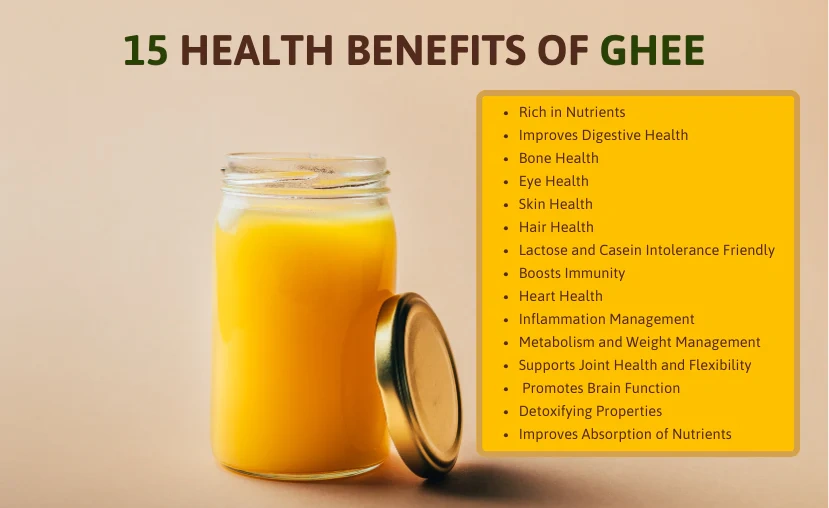
It is not just that healthy traditional fats are neutral; they are actually protective. A2 ghee contains several unique bioactive compounds that work synergistically to support vascular health and mitigate cardiovascular risk.
The Role of Butyric Acid and CLA
One of the most profound molecular components of A2 ghee is butyric acid, a short-chain fatty acid. Butyric acid reduces systemic inflammation and improves gut health, both of which are strongly linked to lower cardiovascular risk. Additionally, grass-fed A2 ghee is one of the highest natural sources of Conjugated Linoleic Acid (CLA). Clinical studies indicate that CLA helps reduce arterial plaque formation, meaning that A2 ghee is a powerful ally in minimizing cardiovascular risk. The presence of these unique acids proves that healthy traditional fats have therapeutic properties.
Cholesterol Particle Size and Vitamin K2
The relationship between A2 ghee and cholesterol is deeply misunderstood. Critics argue that saturated fats raise LDL (bad cholesterol), thereby raising cardiovascular risk. However, healthy traditional fats like A2 ghee actually improve LDL particle size. Instead of creating small, dense LDL particles that clog arteries (which spike cardiovascular risk), A2 ghee promotes large, fluffy LDL particles that harmlessly circulate in the blood.
Furthermore, A2 ghee is an exceptional source of Vitamin K2. This crucial vitamin directs calcium into the bones and prevents it from calcifying in the arteries. Arterial calcification is a massive contributor to cardiovascular risk, making the Vitamin K2 in healthy traditional fats absolutely essential for long-term heart health. By consuming A2 ghee, you optimize your lipid turnover and significantly lower your overall cardiovascular risk.
Comparing A2 Ghee to Modern Cooking Oils
To fully grasp why healthy traditional fats are superior, let’s look at a molecular comparison between A2 ghee and standard refined oils regarding their impact on cardiovascular risk:
| Feature / Impact | A2 Ghee (Healthy Traditional Fats) | Refined Seed Oils (Canola, Soybean) |
|---|---|---|
| Molecular Stability | High (Resistant to heat and oxidation) | Low (Oxidizes easily under heat) |
| Inflammatory Response | Anti-inflammatory (Rich in butyrate) | Highly inflammatory (High Omega-6) |
| Impact on HDL Cholesterol | Increases HDL, improving lipid balance | Lowers or disrupts HDL function |
| Overall Cardiovascular Risk | Lowers cardiovascular risk when consumed correctly | Significantly increases cardiovascular risk |
Conclusion: Embrace Healthy Traditional Fats
The molecular evidence is clear: the outdated narrative that all saturated fats cause heart disease is scientifically inaccurate. A2 ghee is a metabolically intelligent superfood. By offering stable energy, reducing inflammation, and preventing arterial calcification, healthy traditional fats provide unparalleled protection for your heart. Instead of relying on chemically processed oils, shifting back to A2 ghee is a scientifically sound strategy to optimize your lipid profile and actively reduce your cardiovascular risk. It is time to welcome healthy traditional fats back into our diets.
Frequently Asked Questions (FAQ)
Does ghee increase cardiovascular risk or raise cholesterol?
No, moderate consumption of healthy traditional fats like A2 ghee does not increase your cardiovascular risk. While A2 ghee may slightly raise total cholesterol, it increases HDL (good cholesterol) and improves LDL particle size, which actually protects the heart and mitigates cardiovascular risk.
Is A2 ghee better for the heart than regular ghee?
Yes. A2 ghee is made from the milk of indigenous cows and is easier to digest. It contains higher levels of Omega-3s, CLA, and butyric acid than regular ghee, making it the superior choice among healthy traditional fats for lowering cardiovascular risk.
Can people with high cholesterol eat healthy traditional fats?
Yes, but moderation is key. Clinical studies show that replacing inflammatory seed oils with healthy traditional fats like A2 ghee can improve the overall lipid profile and reduce oxidative stress, thereby lowering cardiovascular risk. However, individuals with existing heart conditions should consult their doctor.
Why are healthy traditional fats better than vegetable oils?
Vegetable oils are highly unstable and oxidize easily, creating free radicals that damage blood vessels and spike cardiovascular risk. Healthy traditional fats, particularly A2 ghee, have a high smoke point and remain stable, meaning they do not trigger the inflammation associated with high cardiovascular risk.