
No products in the cart.

The Truth About Lactic Acid and Muscle Fatigue: Debunking Fitness Myths
If you have ever pushed yourself through a high-intensity interval training session, you are undoubtedly familiar with the deep, intense burn in your muscles. For decades, fitness professionals pointed the finger at one specific culprit when discussing lactic acid and muscle fatigue. However, to truly understand the complex relationship between lactic acid and muscle fatigue, we must look beyond outdated locker-room theories. In this comprehensive guide, we uncover the exact science behind lactic acid and muscle fatigue, exploring how your body produces energy and the real causes of muscle soreness.
Today, sports scientists have proven that the historical narrative linking lactic acid and muscle fatigue is a misunderstanding. By diving into the physiology of lactic acid and muscle fatigue, we can finally separate myth from reality, addressing the true causes of muscle soreness and identifying the most effective paths to optimal muscle recovery.
What is Lactic Acid? The Basics of Energy Production
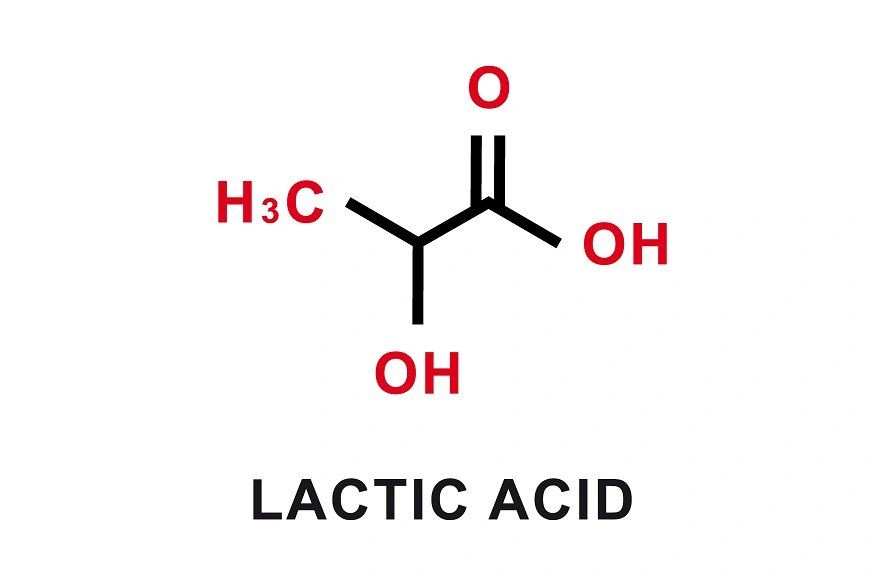
To decode the facts surrounding lactic acid and muscle fatigue, we first need to look at energy generation. When you engage in heavy physical activity, your system switches to anaerobic pathways. During this process, glucose is rapidly broken down, creating a byproduct known as pyruvate. Without enough oxygen, pyruvate converts into lactate. Athletes often call this a lactic acid buildup.
Technically, your body produces lactate, not lactic acid. This is the first critical distinction when evaluating lactic acid and muscle fatigue. A sudden lactic acid buildup is actually an increase in lactate and hydrogen ions, which completely reshapes our understanding of lactic acid and muscle fatigue.
The Big Myth: Does Lactic Acid Cause Muscle Fatigue?

For over eighty years, the prevailing wisdom insisted that a lactic acid buildup was the primary reason athletes felt a burning sensation. The assumption was that the link between lactic acid and muscle fatigue was causal—more acid meant more exhaustion. Modern science refutes this core tenet of lactic acid and muscle fatigue.
The actual burn is not caused by the lactate molecule. Instead, the accumulation of hydrogen ions drops the pH level, causing acidosis. Therefore, when discussing lactic acid and muscle fatigue, you must recognize that a lactic acid buildup is just a marker of intense exertion, not the villain. This proves that traditional models of lactic acid and muscle fatigue are flawed.
Lactic Acid vs. DOMS (Delayed Onset Muscle Soreness)
Another myth about lactic acid and muscle fatigue is that lactate causes the pain felt days later, known as DOMS. The truth is that lactate clears from your muscles within 60 minutes. It cannot trigger DOMS.
What are the actual causes of muscle soreness? The primary causes of muscle soreness linked to DOMS are microscopic tears in your muscle fibers. As the body repairs these micro-tears, it creates an inflammatory response—this is one of the main causes of muscle soreness. Clearly separating a temporary lactic acid buildup from the mechanisms of DOMS is vital for proper muscle recovery.
Lactate: Your Body’s Hidden Energy Source
When we examine the true dynamics of lactic acid and muscle fatigue, we find that lactate is actually a valuable fuel. During vigorous workouts, lactate is shuttled to your mitochondria and brain. Far from accelerating exhaustion, the mechanisms behind lactic acid and muscle fatigue show that lactate fights to keep your muscles contracting.
By acting as a buffer, lactate actively attempts to delay the muscle burn. This highlights why managing lactic acid and muscle fatigue by improving your lactate threshold is a cornerstone of endurance training.
The Importance of Your Lactate Threshold
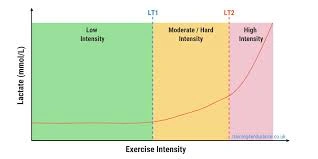
Your lactate threshold is the intensity at which your body produces lactate faster than it clears it. By pushing your lactate threshold, you train your body to utilize energy efficiently, significantly delaying the point of exhaustion. Understanding lactic acid and muscle fatigue allows you to optimize this process.
Training near your lactate threshold helps you manage a lactic acid buildup more effectively. By strategically navigating lactic acid and muscle fatigue, athletes can perform better, completely shifting the narrative around the causes of muscle soreness.
Summary Comparison: Old Myths vs. Modern Science
| The Fitness Myth | The Scientific Reality |
|---|---|
| Lactic acid causes the workout “burn”. | The burn is caused by hydrogen ions and muscle acidosis, not lactate. |
| Lactic acid is the primary cause of DOMS. | DOMS is caused by micro-tears in muscle tissue, independent of lactate. |
| Lactate is a toxic waste product. | Lactate is a valuable, recycled fuel source for the body. |
Strategies for Optimizing Muscle Recovery
While we now understand the nuances of lactic acid and muscle fatigue, the exhaustion remains real. To mitigate the causes of muscle soreness, you must prioritize comprehensive muscle recovery techniques.
- Prioritize Active Recovery: Low-intensity exercises stimulate blood flow, which accelerates muscle recovery and efficiently clears metabolic byproducts.
- Hydrate Consistently: Proper hydration is fundamental to muscle recovery. Water supports cellular function, helping repair the micro-tears that trigger DOMS.
- Improve Your Lactate Threshold: A higher lactate threshold equates to superior endurance, helping you better handle a lactic acid buildup.
- Focus on Post-Workout Nutrition: Essential nutrients supply the building blocks needed for muscle recovery, directly addressing the physical causes of muscle soreness.
Conclusion: Rethinking Lactic Acid and Muscle Fatigue
In summary, the correlation between lactic acid and muscle fatigue has been fundamentally misunderstood. The temporary burn stems from acidity, while lasting DOMS is caused by muscular micro-tears.
By discarding old myths about a lactic acid buildup and embracing the facts of lactic acid and muscle fatigue, you can implement smarter protocols. Focus on elevating your lactate threshold and prioritizing effective muscle recovery to combat the true causes of muscle soreness, avoiding the pitfalls of DOMS and unlocking your full potential.
Frequently Asked Questions (FAQs)
Does lactic acid cause muscle fatigue?
No. The fatigue during a workout is caused by the accumulation of hydrogen ions and acidosis. The widespread belief that lactic acid and muscle fatigue are causal is an outdated myth.
Is lactic acid the cause of DOMS (Delayed Onset Muscle Soreness)?
Absolutely not. DOMS occurs 24 to 48 hours after training. The real causes of muscle soreness at this stage are microscopic tissue damage, not a lactic acid buildup. DOMS is completely independent of lactate.
How long does lactic acid stay in your muscles?
After exercising, your body processes lactate rapidly, and it generally clears within 30 to 60 minutes.
How do you get rid of lactic acid in muscles?
To speed up the clearance of a lactic acid buildup, engage in active cooldown exercises. Additionally, focusing on your lactate threshold over time will make your body more efficient at processing lactate.