
No products in the cart.
How to Prevent the Natural Metabolic Slowdown of Aging
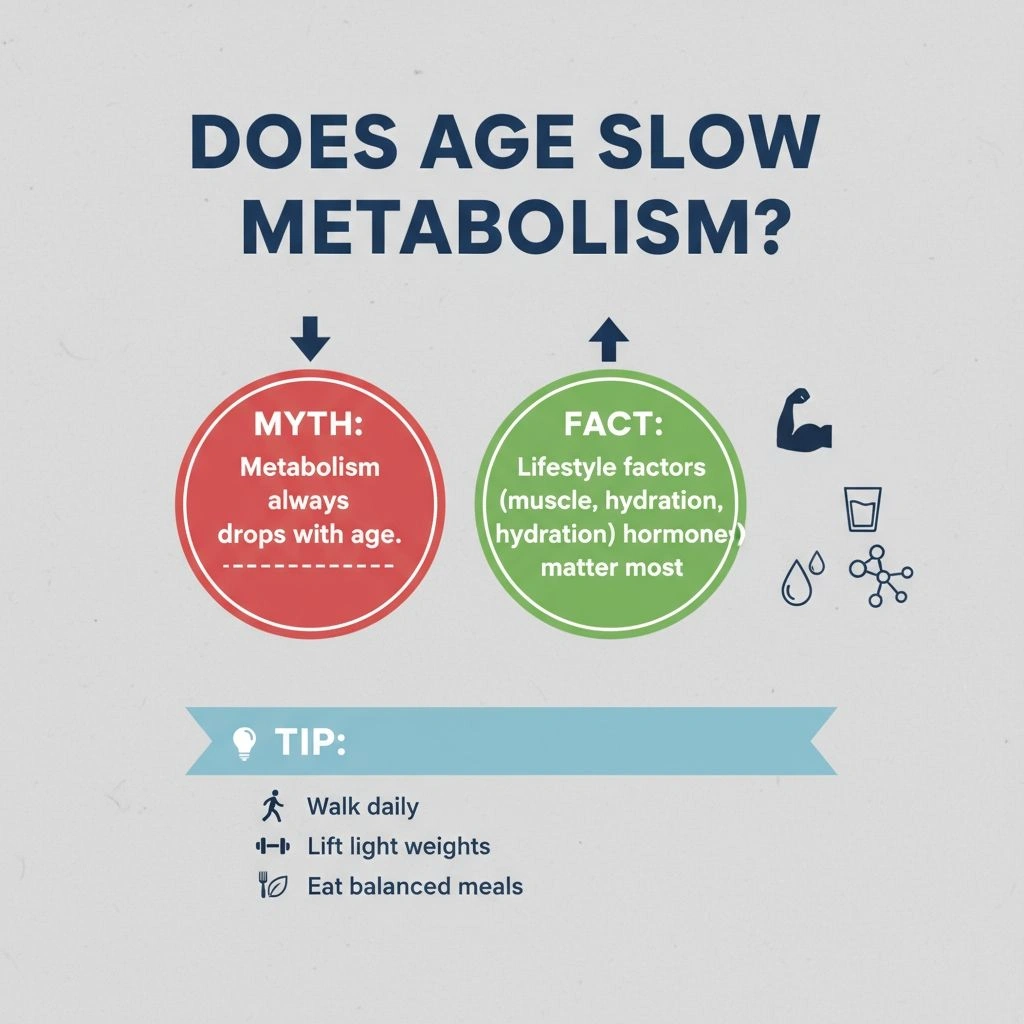
Have you ever wondered why staying in shape feels harder as the years pass? The
metabolic slowdown of aging is a natural biological shift, but it is not completely out of
your control. Many people just accept aging metabolism as an inevitable decline,
assuming their metabolism after 40 and metabolism after 50 will just plummet.
However, modern clinical research proves you can prevent metabolic slowdown. This
comprehensive guide explores exactly why the metabolic slowdown of aging occurs
and provides actionable strategies to revitalize your aging metabolism starting today.
What Drives the Change?
What exactly drives the metabolic slowdown of aging? Contrary to popular belief,
your resting energy expenditure does not suddenly stop. Instead, aging metabolism is
heavily influenced by the gradual loss of lean muscle mass, shifting hormone levels,
and cellular changes in mitochondrial function. Looking closely at metabolism after 40,
the human body naturally burns fewer calories at rest because active muscle tissue
diminishes if not purposefully maintained. By the time we evaluate metabolism after
50, hormonal fluctuations—especially drops in estrogen and testosterone—further
decrease resting energy output. But deeply understanding these physiological triggers
is the very first step to effectively prevent metabolic slowdown.
The Role of Muscle Maintenance
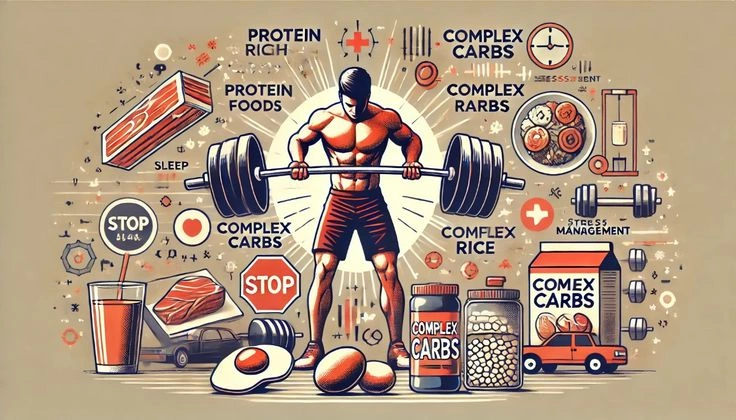
The single most effective way to combat the metabolic slowdown of aging is
through structured resistance training. Since muscle tissue is highly metabolically
active, preserving and building muscle is absolutely essential to optimize aging
metabolism. If you want to rapidly improve your metabolism after 40, lifting
weights or performing bodyweight exercises must become a non-negotiable part
of your weekly routine.
Muscle essentially acts as an internal metabolic engine. To successfully prevent
metabolic slowdown, you must aggressively signal to your body that it needs to
maintain this vital tissue. As you navigate your metabolism after 50, pairing
regular strength training with consistent daily steps actively counteracts the
natural decline in physical activity, keeping your cellular energy burning high all
day.
Nutritional Strategies and Rest
You cannot out-train a poor diet, especially when fighting the metabolic slowdown of
aging. To properly fuel an efficient aging metabolism, you must significantly increase
your daily intake of high-quality dietary protein. Protein requires more energy to digest
than dietary fats or carbohydrates—a powerful process known as the thermic effect of
food.
Boosting protein is incredibly vital for metabolism after 40 because it supports the lean
muscle mass you are trying to build. Furthermore, to effectively prevent metabolic
slowdown, prioritize deep, restorative sleep every night. Chronic sleep deprivation
severely spikes cortisol, which promotes harmful fat storage and directly hampers
metabolism after 50.
| The Verdict Remember, age is just a number. Your metabolism after 40 and your metabolism after 50 do not have to dictate your daily energy levels or your waistline. By understanding exactly how to prevent metabolic slowdown through targeted strength training, protein-rich nutrition, and smart recovery, you can conquer these changes. Empower yourself with these healthy habits today. |