
No products in the cart.

Metabolic Meal Timing Strategies Basedon Your Body’s Internal Clock

When it comes to optimizing your health, when you eat is becoming just as important aswhat you eat. Welcome to the science of metabolic meal timing, a dietary approachthat aligns your food intake with your natural circadian rhythm. By synchronizing yourmeals with the natural light-dark cycles of the day, you can drastically improve how yourbody processes energy. This guide explores how circadian meal timing can optimizeyour health, boost your resting metabolism, and improve insulin sensitivity.
What is Metabolic Meal Timing?
Metabolic meal timing is the practice of eating during the specific hours when yourbody is biologically primed to digest food. Every cell in your body runs on a 24-hourcycle. Because of this natural circadian rhythm, your digestive system is highly activeduring daylight hours and naturally slows down in the evening.When you practice circadian meal timing, you consume the majority of your calorieswhen your digestion is peaking. This means prioritizing breakfast and lunch whileavoiding heavy late-night dinners that disrupt your body’s internal clock.The Power of Circadian FastingA core component of metabolic meal timing is a structured eating window,often referred to as circadian fasting. Unlike extreme diet plans, circadian fasting simply restricts your eating to daylight hours—for example, a 12-hourwindow between 7:00 a.m. and 7:00 p.m. This syncs perfectly with yourbiological sleep-wake cycle.Fasting overnight allows your digestive organs to rest, which has been shown topositively impact cellular repair. Studies suggest that implementing circadianfasting can help regulate hormones, optimize your energy utilization, and support your body’s internal clock.
Balancing Blood Sugar Levels and Insulin Sensitivity
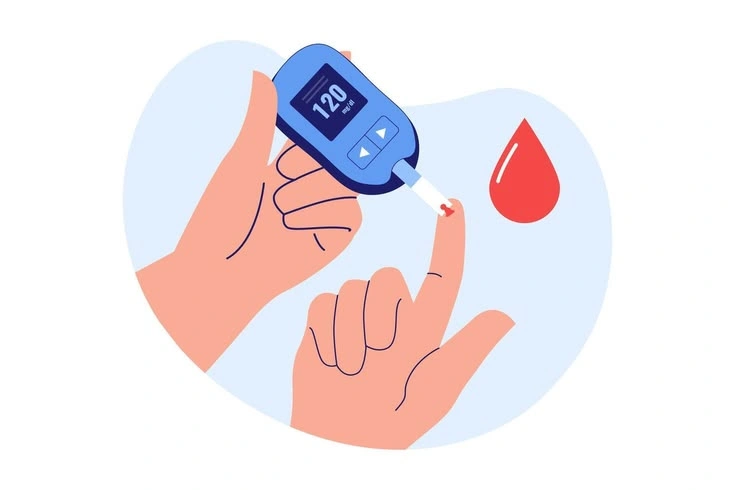
One of the most profound benefits of circadian meal timing involves your body’s abilityto manage glucose. Clinical research demonstrates that insulin sensitivity fluctuatesthroughout the day, peaking in the morning and sharply declining toward the evening.When you eat a carbohydrate-heavy meal late at night, your decreased insulinsensitivity leads to elevated blood sugar levels. Over time, chronic high blood sugarlevels can contribute to weight gain and metabolic disruption. By shifting your maincalorie intake to earlier in the day through metabolic meal timing, you work with yourcircadian rhythm rather than against it. This helps maintain stable blood sugar levelsand prevents evening energy crashes.
Top Strategies for Circadian Meal Timing
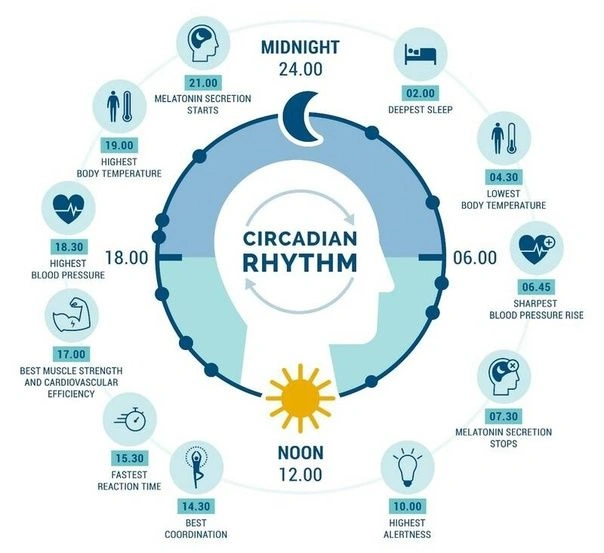
● Eat with the Sun: To truly support your body’s internal clock, aim to consumeall your meals during daylight hours.
● Front-Load Your Calories: A key rule of circadian meal timing is to eat asubstantial breakfast and lunch to capitalize on your body’s optimal morning digestion.
● Embrace the 12-Hour Rule: Try stopping all food intake at least three hoursbefore bed. This ensures your body transitions smoothly into a fasting state beforesleep, further aligning with your circadian rhythm and making circadian fastingmanageable.
The Verdict
Adopting metabolic meal timing is not about severe calorie restriction; it is aboutbiological harmony. By adopting circadian meal timing and eating in sync withthe natural day-night cycle, you can naturally improve your metabolic health.Listen to your body, respect your natural circadian rhythm, and let thesestrategies guide you to a healthier lifestyle.