
No products in the cart.
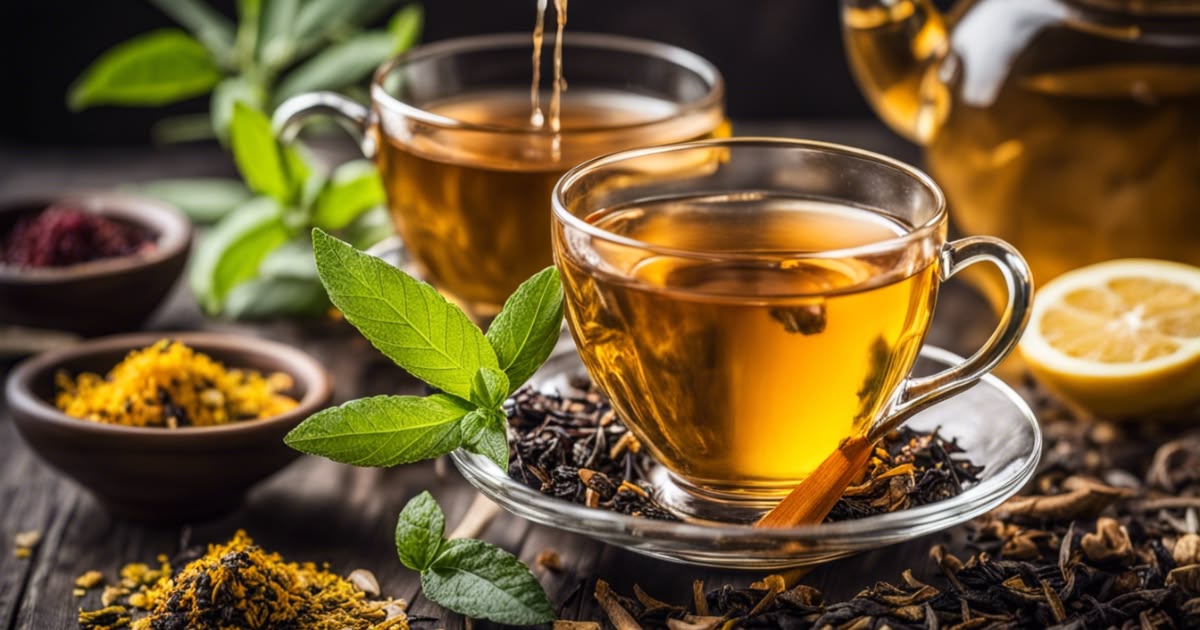
The Science of Herbal Tea: Benefits, Best Blends, and Daily Wellness
Every day, thousands of people turn to search engines with questions like, “What are the benefits of herbal tea?” or “Is herbal tea caffeine-free?” As public interest in natural wellness continues to surge, these botanical brews have transitioned from traditional remedies into daily health essentials.
However, the world of herbal infusions can be confusing. Many commercially marketed beverages labeled as “herbal tea” are actually laden with artificial flavors or added sugars. This comprehensive guide breaks down the true science of herbal tea, answering the internet’s most searched questions and exploring the functional benefits of daily consumption.
What Exactly is Herbal Tea? (The Tisane Difference)
Despite its name, herbal “tea” is not technically tea at all. True teas—such as black, green, white, and oolong—are all derived exclusively from the leaves of the Camellia sinensis plant.
Herbal teas, properly known in the culinary world as tisanes, are blends or infusions made by steeping various plant component including dried flowers, leaves, spices, seeds, roots, and fruits in hot water. Because they do not contain Camellia sinensis leaves, the vast majority of herbal teas are naturally 100% caffeine-free. Nutritionally, pure herbal teas are incredibly clean, containing negligible amounts of fats, cholesterol, and sugars.
4 Evidence-Based Health Benefits of Herbal Tea
According to traditional Chinese medicine, herbal teas serve over 30 distinct health functions. Current medical and nutritional research highlights several pharmacological activities associated with regular consumption:
- High Antioxidant Capacity for Cellular Health: Herbal teas are incredibly rich in bioactive phytochemicals, particularly flavonoids and polyphenols. These antioxidants combat oxidative stress by neutralizing free radicals, reducing cellular inflammation, and protecting the body against chronic diseases.
- Gastrointestinal and Digestive Support: Many herbal infusions act as natural digestifs. Ingredients like peppermint and ginger relax the gastrointestinal tract, stimulating the production of digestive enzymes. This helps reduce symptoms of bloating, indigestion, and nausea naturally.
- Nervous System Regulation and Stress Relief: Herbal teas such as chamomile, lavender, and lemon balm have been used for centuries to calm the nervous system. These botanicals contain natural compounds that help lower cortisol levels and reduce generalized anxiety without the groggy side effects associated with pharmaceutical sedatives.
- Immune System Fortification: Ingredients like ginger, echinacea, and elderberry possess natural antimicrobial and anti-inflammatory properties. Consuming these teas during seasonal changes helps strengthen the body’s immune response, increasing the production of white blood cells and improving resistance to common viruses.
The Most Searched Herbal Teas (And What They Do)
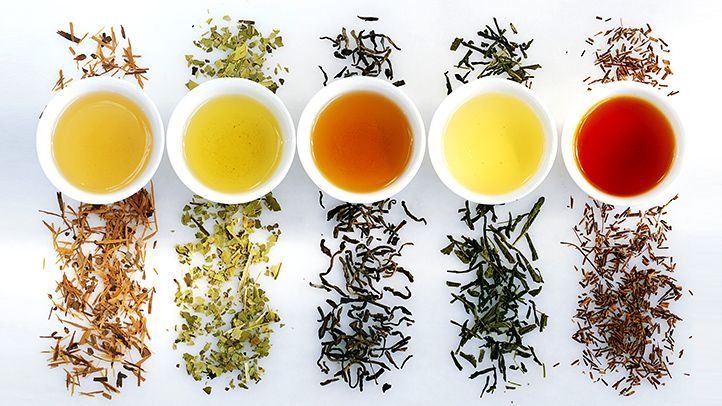
According to global market data, certain herbal flavors dominate consumer interest due to their specific functional benefits. Here is a breakdown of the top herbal teas to incorporate into your routine:
| Botanical Blend | Primary Health Function | Clinical Notes |
|---|---|---|
| Chamomile | Sleep & Anxiety Relief | Contains flavonoids that reduce inflammation and promote deep relaxation. |
| Peppermint | Digestive Harmony | Excellent for soothing upset stomachs, relieving headaches, and easing irritable bowel syndrome symptoms. |
| Ginger | Anti-Nausea & Circulation | A warming spice that effectively combats queasiness, improves blood circulation, and eases joint discomfort. |
| Hibiscus | Heart Health & Blood Pressure | A tart, antioxidant-rich flower that clinical studies suggest may assist in naturally lowering blood pressure. |
| Lemon Balm | Cognitive Focus & Mood | Folk medicine and modern research suggest it can improve memory function, ease anxiety, and promote restful sleep. |
How to Maximize the Benefits of Your Brew
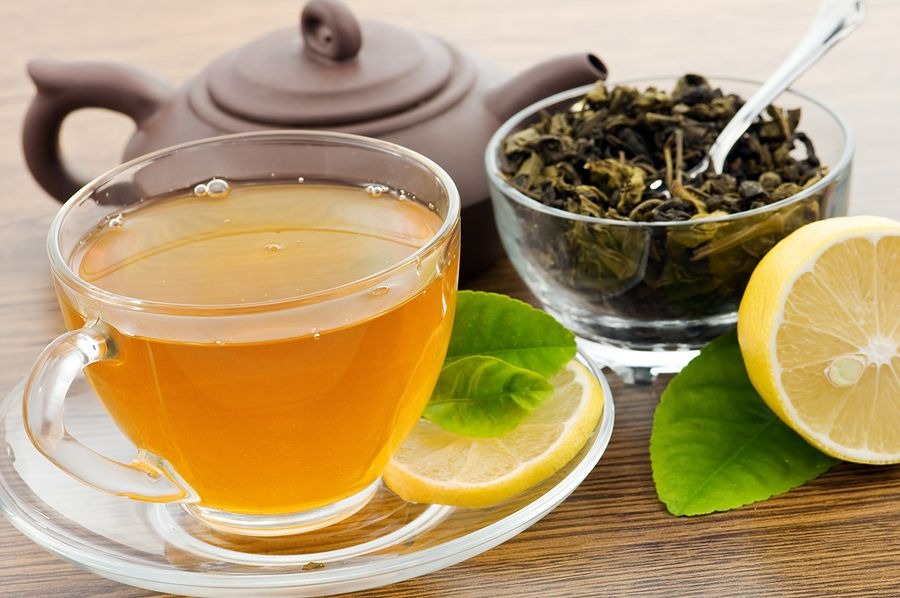
To extract the maximum amount of essential oils and phytonutrients from your tisanes, proper preparation is key.
- Temperature Matters: Herbal teas should be brewed with hot, but not aggressively boiling, water. Extremely hot water can destroy delicate botanical compounds and irritate the throat or stomach.
- Steep Time: Unlike traditional green or black teas that turn bitter if over-steeped, herbal tisanes generally require a longer steeping time to fully release their therapeutic properties and bold flavors.
- Moderation: One to three cups a day is optimal for most individuals. Rotating different herbal blends weekly ensures your body receives a diverse spectrum of nutrients without overloading your system with a single botanical compound.
The Verdict
Herbal teas offer a simple, calorie-free way to deeply nourish the body. Whether you are seeking a natural digestive aid after a heavy meal, a caffeine-free energy boost in the afternoon, or a calming ritual before bed, there is a botanical blend perfectly suited to your physiological needs.
⚡ Pro Tip for Daily Wellness:
Do not view herbal tea as an overnight cure for an illness, but rather as a daily preventative habit.
As traditional practices note, these teas work gently over time to build systemic comfort, balance, and stability within the body.