No products in the cart.
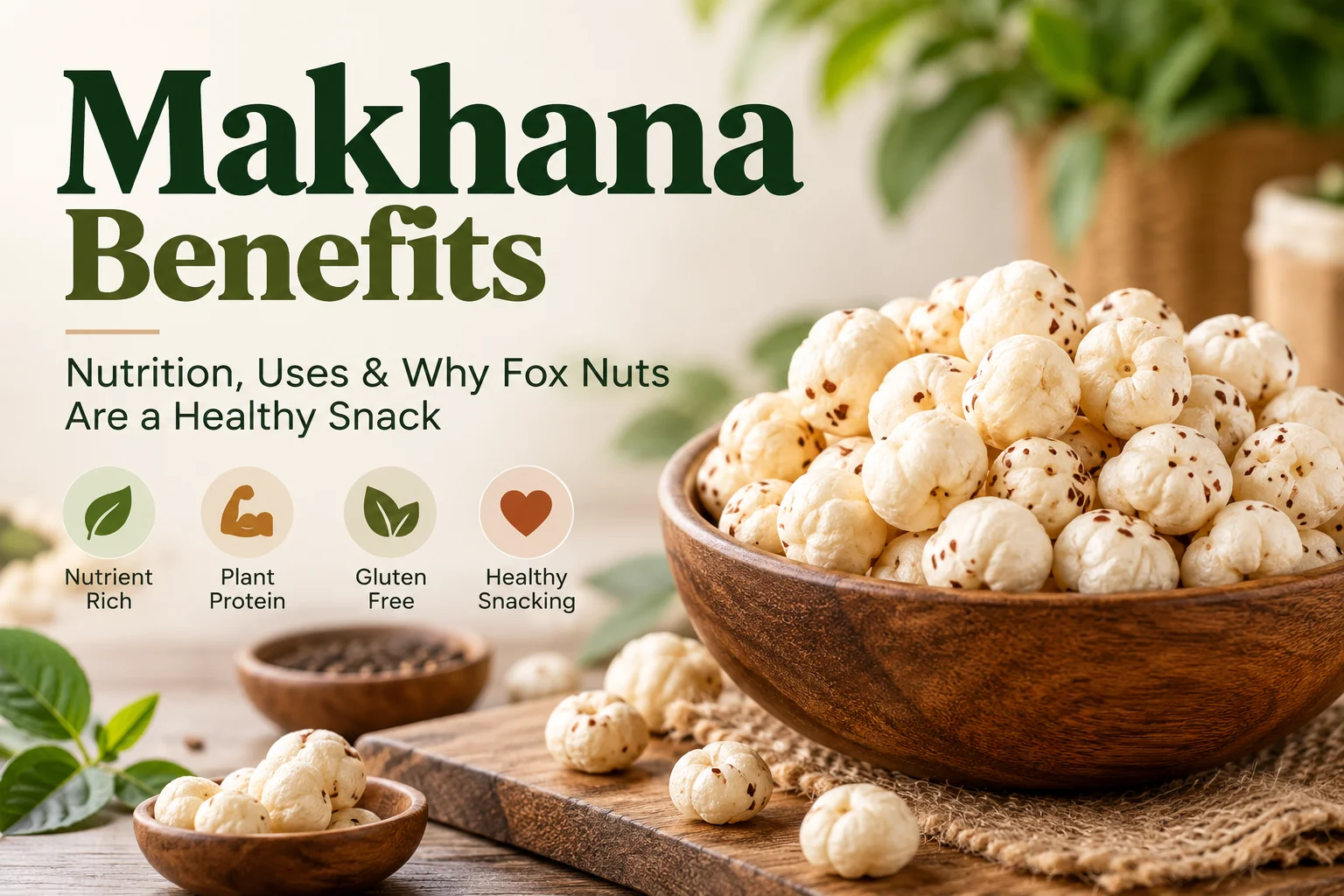
Makhana Benefits: Why Fox Nuts Are Becoming a Popular Healthy Snack
When you are looking for a snack that is crunchy, tasty, and easy to enjoy, makhana is worth considering. Also known as fox nuts or lotus seeds, makhana has been part of traditional Indian food culture for generations.
Today, this simple food has become increasingly popular among people looking for better everyday snacking options. You can roast it, season it with spices, or enjoy it on its own.
But what makes makhana a popular snack? Let’s explore the benefits of makhana, its nutritional value, and some simple ways to include it in your daily routine.
What Is Makhana?
Makhana is the edible seed of the Euryale ferox plant, commonly known as the prickly water lily. Bihar is one of the major regions associated with makhana cultivation in India.
After harvesting, producers process and roast the seeds to create the light, crunchy snack we know today.
Makhana works well in both traditional and modern recipes. You can enjoy it as a roasted snack, add it to homemade snack mixes, or season it with your favorite herbs and spices.
Makhana Nutrition: What Makes Fox Nuts Interesting?
Makhana contains carbohydrates, plant-based protein, and several minerals. Its nutritional profile can vary depending on the product, processing method, serving size, and preparation.
Plain roasted makhana can make a convenient addition to a balanced diet. Flavored varieties, on the other hand, may contain additional oil, salt, or other ingredients.
When buying packaged makhana, always check the nutrition label and ingredient list. This simple habit helps you understand exactly what you are adding to your diet.
7 Makhana Benefits You Should Know
1. A Convenient Alternative to Heavily Processed Snacks
Chips and fried snacks often become the easiest choice when hunger strikes between meals.
Roasted makhana offers another option for people who enjoy crunchy snacks. You can prepare it with a small amount of oil and your preferred seasoning, making it easy to control the ingredients.
This simple swap can help bring more variety to your everyday snacking routine.
2. Provides Plant-Based Protein
Makhana contains plant-based protein, which contributes to your overall daily protein intake.
Protein plays an important role in maintaining muscles and supporting several essential functions in the body.
However, makhana should not replace your primary protein sources. Include a variety of foods such as pulses, beans, dairy products, nuts, seeds, or suitable plant-based protein sources to create a balanced diet.
3. Contains Important Minerals
Makhana naturally provides minerals such as magnesium, phosphorus, and potassium.
Your body uses these minerals for several normal functions, including energy metabolism, muscle function, and maintaining overall health.
The exact nutritional content can differ between products, so check the nutrition information on the package for accurate details.
4. Naturally Gluten-Free
Plain makhana is naturally gluten-free, which makes it suitable for people who choose to avoid gluten.
However, anyone with celiac disease or medically diagnosed gluten sensitivity should check the product label carefully. Manufacturing facilities can handle other ingredients that contain gluten, so cross-contact information matters.
5. A Light and Crunchy Snack
Sometimes, making healthier choices simply means finding a better alternative to your usual snack.
If you enjoy crunchy foods, roasted makhana can fit easily into your routine. You can carry a small portion to work, keep it at home, or enjoy it during an evening snack break.
Portioning your snack before eating can also help you stay more mindful of how much you consume.
6. Easy to Customize With Different Flavors
Makhana has a mild taste, which makes it easy to pair with different seasonings.
For example, you can enjoy:
- Peri-peri makhana
- Achari masala makhana
- Himalayan salt & pepper makhana
- Cream & onion makhana
- Tangy tomato makhana
- Mint makhana
Different flavors can make everyday snacking more interesting without requiring complicated recipes.
7. Convenient for Busy Lifestyles
Modern routines often leave little time for preparing snacks from scratch.
Roasted makhana offers a convenient option that you can portion and carry to work, college, travel, or other daily activities.
Keeping a sensible portion ready can make it easier to choose a snack when hunger strikes instead of automatically reaching for highly processed alternatives.
Is Makhana a Healthy Snack?
Makhana can be part of a healthy and balanced diet when you consume it in appropriate portions.
However, the preparation method matters. Plain or lightly roasted makhana differs from versions that contain large amounts of oil, salt, sugar, or other ingredients.
Therefore, look at the complete ingredient list rather than judging a product only by the word “makhana” on the front of the package.
A balanced snack should also fit your overall dietary needs and lifestyle.
Roasted Makhana vs Fried Snacks
Roasting provides one of the simplest ways to prepare makhana.
Deep-frying can significantly increase the amount of added fat in a snack. Roasting, on the other hand, lets you control how much oil you use while still creating a crunchy texture.
Easy Homemade Roasted Makhana
- Add makhana to a dry pan.
- Roast it over low to medium heat.
- Stir regularly to prevent burning.
- Continue until the makhana becomes crisp.
- Add your preferred seasoning.
- Let it cool before storing.
You can experiment with black pepper, herbs, Himalayan salt, peri-peri seasoning, or other spices according to your taste.
Is Makhana Good for Weight Management?
Many people include makhana in weight-management diets because it can serve as an alternative to some conventional snack foods.
However, no single food automatically causes weight loss.
Your overall calorie intake, food choices, physical activity, sleep, and lifestyle habits all influence weight management.
If you are working towards a weight-management goal, focus on portion control and overall diet quality rather than treating any single food as a solution.
Is Makhana Suitable for People Watching Their Sugar Intake?
People often discuss makhana as a snack option for those who want to be more mindful of their sugar intake. However, makhana still contains carbohydrates, and its effect on blood glucose can depend on portion size, preparation, and the other foods in your meal.
Anyone managing diabetes or another medical condition should follow individualized advice from a doctor or registered dietitian.
For general nutrition, focus on balanced meals, appropriate portions, and a variety of minimally processed foods.
How to Include Makhana in Your Daily Diet
You don’t need complicated recipes to enjoy fox nuts. Here are some practical ideas:
At the office: Keep a small portion of roasted makhana at your desk for a convenient snack.
While travelling: Carry a sealed portion with you when you want an alternative to fried or heavily processed snacks.
During evening cravings: Enjoy a portion of seasoned makhana with your preferred beverage.
For family snacking: Keep different flavors available so everyone can choose their favorite.
In homemade recipes: Use plain roasted makhana in snack mixes or other recipes.
These simple habits can make it easier to include more variety in your everyday diet.
How to Choose the Right Makhana
Choosing a packaged makhana product requires more than simply looking at the flavor.
Check the Ingredient List
Look for a clear ingredient list that helps you understand what the product contains.
Check Added Salt and Sugar
Flavored products may contain additional sodium or sugar. Compare labels if you are trying to limit either nutrient.
Look at the Serving Size
Nutrition information usually refers to a specific serving. Always check the serving size before comparing products.
Consider the Preparation Method
Roasted makhana and heavily fried makhana can have different nutritional profiles. Check the ingredients and nutrition panel to understand the difference.
Why Makhana Fits Into Modern Healthy Snacking
The growing popularity of makhana reflects a broader shift in the way people approach everyday snacking.
Consumers increasingly look for food that offers convenience while fitting into their personal approach to nutrition.
Makhana can fit this lifestyle because it is:
- Easy to prepare
- Convenient to carry
- Naturally gluten-free
- Versatile
- Easy to season
- Suitable for different snack preferences
It also brings a traditional Indian ingredient into a modern snacking format.
Final Thoughts
The benefits of makhana make fox nuts an interesting option for people who want more variety in their everyday snacks.
Makhana provides plant-based protein and minerals, remains naturally gluten-free in its plain form, and works well with different flavors and preparations.
Still, healthy eating isn’t about finding one perfect food. Instead, it comes from building consistent habits and choosing a variety of nutritious foods.
So, the next time you want something crunchy between meals, consider a portion of roasted makhana.
Smart snacking doesn’t have to be complicated. Sometimes, it starts with one better choice at a time.
Frequently Asked Questions About Makhana
Is makhana a healthy snack?
Makhana can be a nutritious snack option when you consume it in appropriate portions and choose a preparation with sensible amounts of oil, salt, and seasoning.
What are the main benefits of makhana?
Makhana provides plant-based protein and minerals and offers a naturally gluten-free snack option in its plain form. It can also provide an alternative to some heavily processed snack foods.
Can I eat makhana every day?
You can include makhana regularly as part of a varied diet if the portion and preparation fit your individual nutritional needs.
Is roasted makhana better than fried snacks?
Roasted makhana can provide a practical alternative to deep-fried snacks, especially when you use limited added oil. The nutritional profile still depends on the specific product and preparation.
Is makhana good for weight loss?
Makhana can fit into a weight-management diet, but no single food causes weight loss. Overall calorie intake, food choices, physical activity, and lifestyle habits matter more.
Is makhana naturally gluten-free?
Yes. Plain makhana is naturally gluten-free. People with celiac disease or gluten sensitivity should still check packaged products for cross-contact information.
How can I make makhana tasty?
You can roast makhana and season it with Himalayan salt, black pepper, peri-peri, mint, tangy tomato, achari masala, or other spices.